Claim Your Free Estimates Today
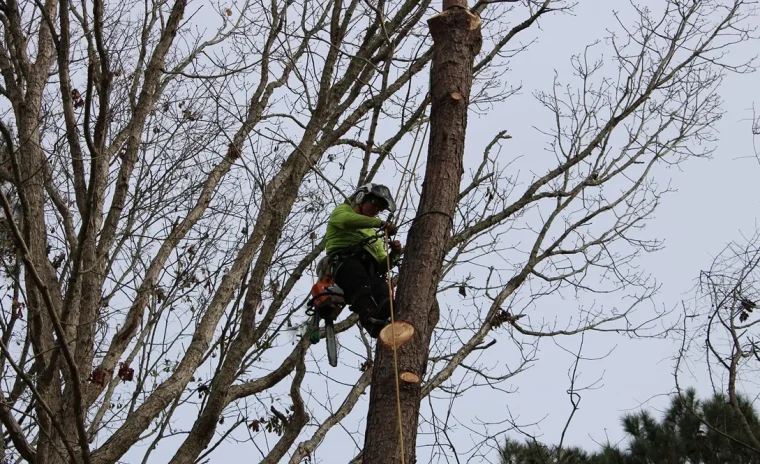
Learning how to trim a tree is an important skill for any homeowner who wants to maintain a healthy, attractive landscape. Proper tree trimming not only improves the appearance of your yard but also supports the long-term health and safety of your trees.
However, trimming trees incorrectly can cause damage, slow growth, or even create safety hazards. That’s why understanding proper tree trimming techniques, timing, and safety practices is essential before you begin.
In this beginner-friendly guide, we’ll walk you through everything you need to know about diy tree trimming, including essential tools, techniques, and expert tree trimming tips to help you do the job safely and effectively.
Why Tree Trimming Is Important
Before learning how to trim a tree, it’s important to understand why it matters. Regular trimming helps:
- Promote healthy growth
- Remove dead or diseased branches
- Improve sunlight and air circulation
- Prevent property damage from falling limbs
- Enhance the tree’s natural shape and appearance
Proper maintenance ensures your trees remain strong, safe, and visually appealing throughout the year.
When Is the Best Time to Trim Trees?
Timing plays a big role in successful tree care. In most cases, the best time for trimming is:
- Late Winter or Early Spring
This is the ideal period because trees are dormant, which reduces stress and encourages healthy regrowth.
- Avoid Heavy Trimming in Summer
During hot months, excessive trimming can stress the tree and slow its growth.
- Light Maintenance Year-Round
You can remove small dead branches or hazards anytime, but major trimming should follow seasonal guidelines.
Knowing when to trim is a key part of proper tree trimming.
Essential Tools for DIY Tree Trimming
Before starting diy tree trimming, gather the right tools:
- Hand pruners for small branches
- Loppers for medium branches
- Pruning saw for thick limbs
- Safety gloves
- Safety goggles
- Ladder (for higher branches)
- Rope (for controlling larger limbs if needed)
Using the correct tools ensures clean cuts and reduces the risk of injury.
Tree Trimming Safety First
Safety should always be your top priority when learning how to trim a tree. Follow these important tree trimming safety guidelines:
- Never trim near power lines
- Avoid working during strong winds or storms
- Wear protective gear at all times
- Do not climb unstable branches
- Use a sturdy ladder on level ground
- Keep bystanders at a safe distance
If a tree is too large or dangerous, it’s best to call a professional instead of attempting DIY work.
Understanding Proper Tree Trimming Techniques
Knowing proper tree trimming techniques helps maintain tree health and structure. Here’s what you should focus on:
- Remove Dead or Diseased Branches
Start by cutting away any branches that are dead, damaged, or diseased. This prevents the spread of decay.
- Thin Out Crowded Areas
Remove overlapping branches to improve airflow and sunlight penetration.
- Cut at the Right Spot
Always cut just outside the branch collar (the swollen area where the branch meets the trunk). This helps the tree heal properly.
- Maintain Natural Shape
Avoid over-trimming. The goal is to enhance the tree’s natural structure, not reshape it unnaturally.
These techniques are essential for effective tree trimming tips that support long-term growth.
Step-by-Step Guide: How to Trim a Tree
Here is a simple breakdown of how to trim a tree safely and effectively:
Step 1: Inspect the Tree
Walk around the tree and identify branches that are dead, weak, or crossing each other.
Step 2: Plan Your Cuts
Decide which branches need removal before making any cuts. Avoid trimming more than 25% of the tree at one time.
Step 3: Start with Small Branches
Begin trimming smaller branches using hand pruners or loppers.
Step 4: Move to Larger Branches
Use a pruning saw for thicker limbs. Make cuts in sections to avoid tearing the bark.
Step 5: Step Back and Evaluate
Regularly step back to check the tree’s shape and balance.
Step 6: Clean Up Debris
Remove all trimmed branches from the area to prevent pests and maintain cleanliness.
Common Mistakes to Avoid
When practicing diy tree trimming, beginners often make mistakes such as:
- Over-trimming or “topping” trees
- Cutting too close to the trunk
- Using dull tools
- Ignoring safety precautions
- Trimming at the wrong season
Avoiding these mistakes ensures healthier trees and safer results.
Tree Trimming Tips for Beginners
Here are some helpful tree trimming tips to improve your results:
- Start small and take your time
- Use sharp, clean tools for smooth cuts
- Trim in stages instead of all at once
- Focus on safety before appearance
- Learn the specific needs of each tree type
Following these tips will make your tree care more effective and less stressful.
Benefits of Proper Tree Trimming
When done correctly, proper tree trimming offers several benefits:
- Stronger and healthier tree growth
- Reduced risk of falling branches
- Improved curb appeal
- Better sunlight exposure for surrounding plants
- Increased property safety
Healthy trees also contribute to a more beautiful and valuable landscape.
When to Call a Professional
While many homeowners can handle basic diy tree trimming, there are times when professional help is necessary:
- Large or tall trees
- Trees near power lines
- Storm-damaged trees
- Heavy branches requiring special equipment
- Uncertainty about safe cutting techniques
Professionals have the experience and tools to handle complex trimming safely.
Conclusion
Learning how to trim a tree is a valuable skill that helps maintain both the beauty and health of your landscape. With the right tools, timing, and knowledge of proper tree trimming, beginners can safely manage basic tree care tasks.
By following essential tree trimming safety guidelines and applying simple tree trimming tips, you can confidently take on diy tree trimming projects while avoiding common mistakes.
However, always remember that safety comes first. When in doubt, calling a professional ensures your trees are trimmed correctly and safely.
With consistent care and proper technique, your trees will thrive, providing shade, beauty, and value to your home for years to come.